Thank You Email After Interview 2026:
What to Write
and When to Send It
Most candidates walk out of an interview, exhale, and do nothing. They wait. They refresh their inbox. They wonder why they are not hearing back.
A well-written thank you email sent within 24 hours of an interview is one of the highest-return, lowest-effort actions in any job search — and most people skip it entirely. A 2024 survey found that 68% of hiring managers say receiving a thoughtful follow-up email improves their impression of a candidate. This guide shows you exactly what to write, when to send it, and gives you complete examples for every situation you will encounter.
Why a Thank You Email Matters More Than You Think
A post-interview thank you email does three things that nothing else in the process can do as efficiently.
First, it keeps you top of mind. Hiring managers often interview multiple candidates in quick succession and make decisions days later. A well-timed email puts your name back in front of them at exactly the right moment.
Second, it gives you one more opportunity to reinforce your candidacy — to reference something specific from the conversation, add a thought you forgot to mention, or address a concern that came up during the interview.
Third, it signals professionalism and follow-through. The effort required is minimal. The signal it sends — that you are organised, thoughtful, and genuinely interested — is disproportionately large.
In a hiring pool where most candidates are qualified on paper, the decision often comes down to impression and fit. A thank you email that references a specific moment from the interview creates a memory that a resume cannot. It is the difference between being a candidate and being a person the interviewer remembers.
When to Send It
Send it within 2 to 24 hours of the interview ending. The specific window matters.
- Within 2 hours: excellent for phone or video screens where the hiring manager may still be reviewing candidates the same day
- Same evening: ideal for morning interviews — reaches the inbox before the hiring manager’s next day begins
- Next morning by 9am: acceptable for afternoon interviews — still timely and professional
- 24 to 48 hours: still better than nothing, but the freshness and impact diminish significantly
- After 48 hours: too late to serve its primary purpose of keeping you top of mind during active deliberation
Sending a thank you email 10 minutes after the interview ends reads as either pre-written (generic) or anxious. Wait at least 1 to 2 hours so the email feels considered rather than automatic. Use that time to personalise it with something specific from the conversation.
The 4-Part Thank You Email Formula
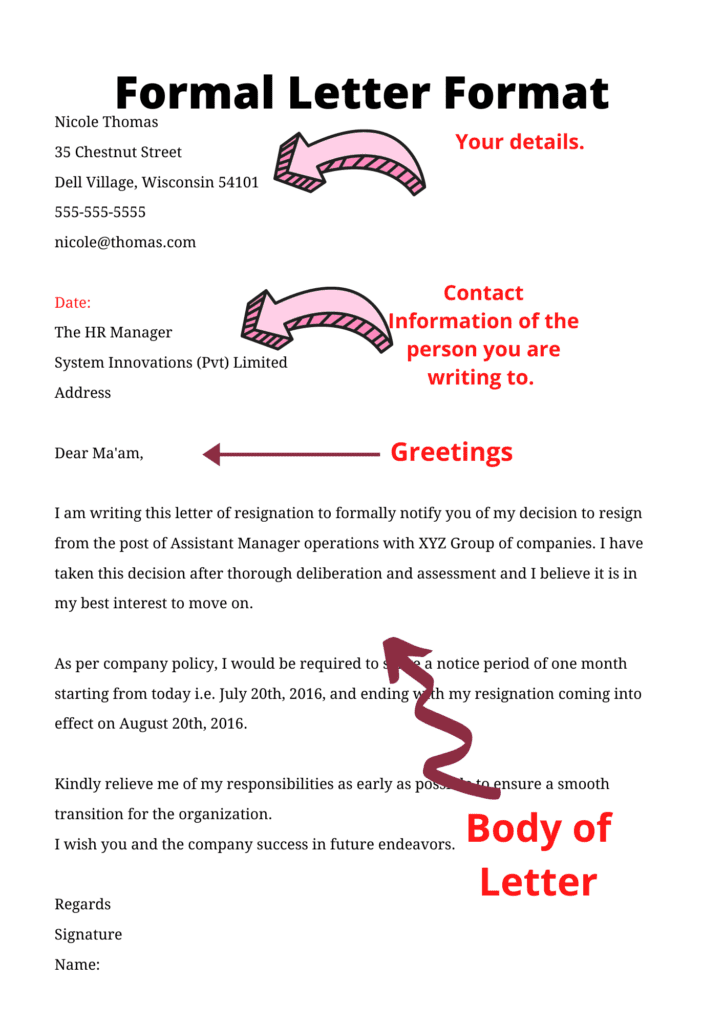
Every effective post-interview thank you email follows the same structure. It should be 4 to 6 sentences — not a paragraph essay, not a one-liner.
- Open with genuine gratitude — specific to the interview, not generic. Name the interviewer
- Reference one specific thing from the conversation — a topic, a challenge they mentioned, a moment of alignment. This proves you were present and listening
- Reinforce your fit — one sentence connecting your experience to their need, using something that came up in the interview
- Close with a clear, low-pressure next step — restate your interest and invite them to reach out
Complete Thank You Email Examples
Example 1: After a First-Round Phone Screen
Thank you for taking the time to speak with me this afternoon about the Marketing Manager role. I particularly enjoyed hearing about how the team is restructuring its approach to content attribution — it is a problem I have spent a good part of the last two years thinking about.
Best,
Priya Sharma
Example 2: After a Final-Round Interview (High-Stakes)
Thank you for the thorough final-round conversation today. The discussion about how the team navigates the tension between rapid iteration and technical debt was one of the most honest conversations I have had in any interview process — and it made me more confident this is exactly the kind of environment I want to work in.
Best,
Rohan Kapoor
Example 3: After a Technical Interview (Engineering Role)
Thank you for the interview today — I enjoyed the system design problem, particularly the discussion around consistency trade-offs in a distributed cache with high write volume.
Best,
Arjun Mehta
Example 4: When the Interview Did Not Go Well
Send this regardless. A graceful thank you after a difficult interview occasionally changes outcomes — and always preserves the relationship for future opportunities.
Thank you for the interview today. I want to be straightforward — I do not think I answered the SQL optimisation question as clearly as I could have in the moment. The approach I was working toward was using a covering index to avoid a full table scan on the transaction history query, but I did not get there cleanly under time pressure.
Best,
Sneha Nair
When You Interviewed With Multiple People
Send individual, personalised emails to each interviewer — not a single email with everyone CC’d. A CC’d group email signals that you wrote one template and pasted in names. Individual emails signal that you paid attention to each person specifically.
The core structure stays the same across all emails. The personalisation comes from the specific reference: what that particular interviewer asked, what they mentioned about their own experience, or what aspect of the role they focused on. Even a one-sentence specific reference is enough to make each email feel individual rather than templated.
What to Do If You Hear Nothing Back
Silence after an interview is not necessarily rejection. Hiring processes have delays caused by internal approvals, competing priorities, and calendar conflicts that have nothing to do with your candidacy.
- If the interviewer gave you a specific timeline (“we will be in touch by Friday”) and that date has passed, a brief follow-up email on Monday is completely appropriate
- If no timeline was given, wait 5 to 7 business days before following up
- Keep the follow-up to 2 sentences: restate your interest and ask if there is any update on the timeline. Do not send multiple follow-ups — one is professional, two is pressure
- If you have received another offer and need to respond, it is appropriate to mention this in a follow-up as a gentle nudge: “I have received another offer with a response deadline of [date] and wanted to keep you informed as this role remains my preference”
5 Thank You Email Mistakes That Hurt You
1. Sending a Generic Template
If your thank you email could have been sent by any candidate to any interviewer — “Thank you for taking the time to speak with me today. I enjoyed learning more about the role and the company. I look forward to hearing from you” — it does nothing. It does not differentiate you and it wastes the opportunity. The specific reference is what makes it work.
2. Making It Too Long
A thank you email is not a cover letter. It should not exceed 150 to 200 words. If you are going beyond that, you are either repeating your resume or over-explaining. Say what you need to say clearly and stop.
3. Using It to Reopen a Weak Answer
A brief, graceful acknowledgement of something you could have answered better — like Example 4 above — is fine. A multi-paragraph defence of a poor interview performance reads as insecure and draws more attention to the weakness, not less. One sentence of honest acknowledgement is the limit.
4. Misspelling the Interviewer’s Name
Check the spelling of every name against the email address, LinkedIn, or the meeting invite. A misspelled name in a thank you email — particularly one that you are using to demonstrate attention to detail — is exactly the kind of error that stays in a hiring manager’s memory.
5. Not Sending One at All
The most common mistake. “I did not want to seem desperate” is the most frequent reason candidates give for skipping it. A professional, specific thank you email does not read as desperation — it reads as professionalism. The risk of not sending one is real. The risk of sending a well-written one is zero.
Frequently Asked Questions
Want a Resume and Cover Letter That Get You to the Interview Stage?
Orbit Careers writes ATS-optimised resumes and tailored cover letters that get you shortlisted — so you have interviews to follow up on in the first place.